The Tudor period spanned from 1485 to 1603 during the reign of the Tudor monarchs in England.
This exciting era in fashion history produced some of the most iconic and impressive dresses that still inspire modern designers today.

Anne Boleyn’s Coronation Gown


Anne Boleyn, the second wife of King Henry VIII, remains one of the most famous figures of the Tudor era.
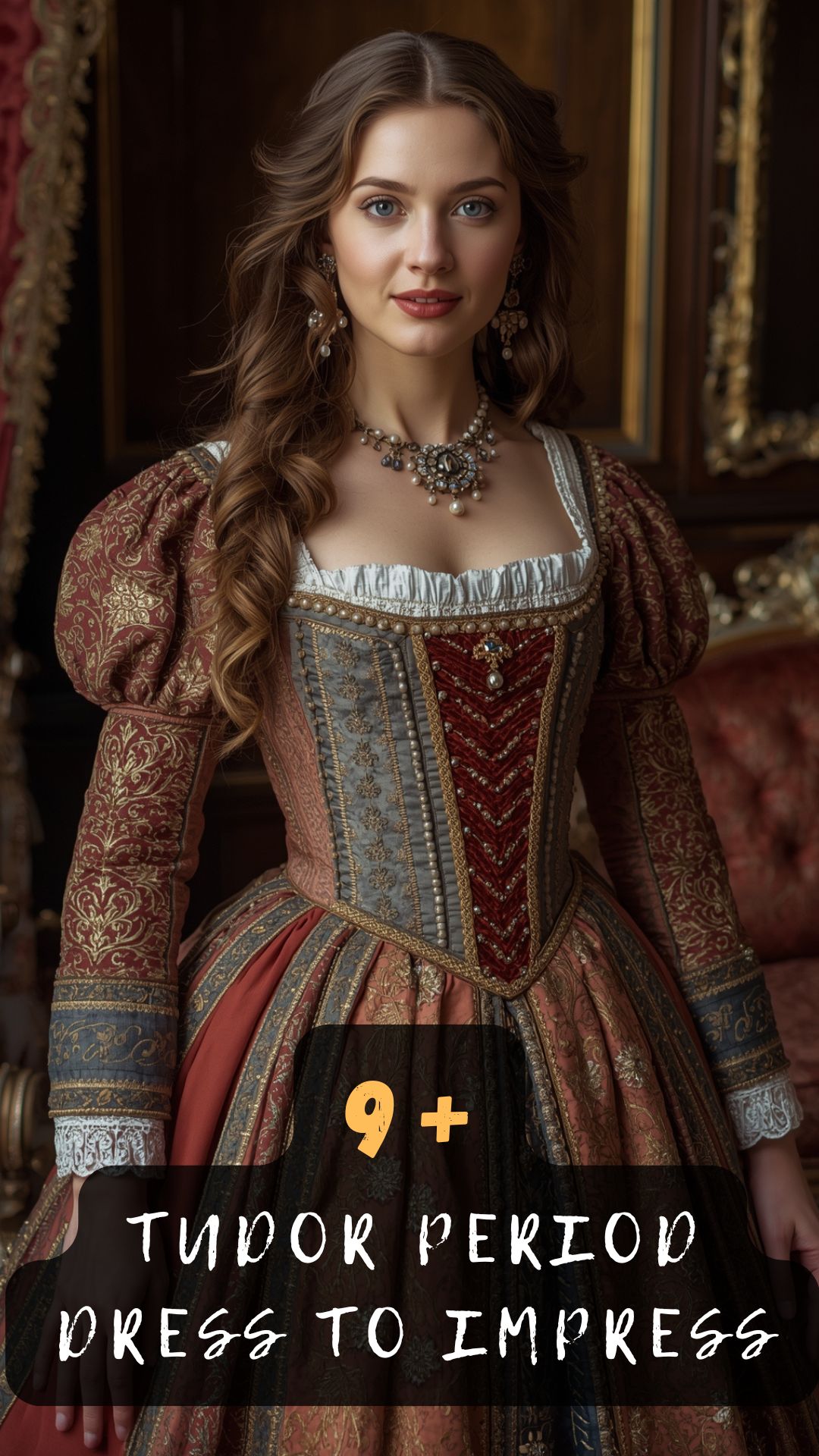
Her luxurious coronation gown in 1533 has been reimagined in television and film as an elaborate burgundy dress with decadent gold embroidery and trim.
Modern designers can take inspiration from the lush fabric, metallic accents, and rich color used for this historic royal gown.
Silks, velvets, taffetas, and damasks similar to what would have been used in the 16th century will give a luxurious look and feel.

For a modern twist, experiment with unique gold embellishments like geometric patterns, beads, or sequins.
Queen Elizabeth I’s Portrait Gowns


Several famous portraits depict Queen Elizabeth I dressed in extravagant gowns that utilized the fashion techniques of the Tudor period.
For example, the “Rainbow Portrait” shows her in a dress decorated with eyes and ears, symbolizing her status as “Queen of England and Ireland.”
Modern designers can recreate the drama of Elizabethan portrait gowns by using bold prints, metallic accents, rich colors, and meaningful symbols that tell a story.
Consider a dress with an eye-catching abstract print containing modern symbols of intelligence, success, creativity, etc.
Use lush fabrics like satin or velvet in jewel-toned colors like emerald green and pair with a gilded collar necklace to echo the Tudor style.
This eye-catching approach takes inspiration from the visual metaphors and lavish adornment seen in Queen Elizabeth I’s iconic painted wardrobe.
The French Hood Headpiece

Popularized by Anne Boleyn, this elegant fabric headpiece was worn by Tudor women to complement their gowns.
Designed to sit towards the back of the head, the French hood created a frame for the face and allowed women to showcase jewelry on their foreheads.
Designers can recreate the graceful shape of the French hood using satin, silk, or chiffon in a variety of colors.
Adorn the headpiece with pearls, crystals, beads, or other decadent trims to create a one-of-a-kind modern version.
Pair it with a gown featuring a square or sweetheart neckline to put the elegant face-framing shape of this Tudor accessory on full display.
Catherine of Aragon’s Wedding Dress


As the first wife of Henry VIII, Spanish-born Catherine of Aragon brought her native style to the English court.
For her 1509 wedding to Henry, she wore a classic Spanish gown in rich silks and gold embroidery paired with a demure ruff collar.
Select a luxurious fabric like duchess satin and decorate with metallic embroidery and beadwork for a touch of heirloom glamor.
Spanish lace at the cuffs or collar provides a nod to Catherine’s heritage.
Complete the ensemble with a delicate lace veil or decorative headpiece inspired by the distinctive ruff neckline shape.
This classically elegant approach brings out the best of Tudor fashion for a timeless wedding look.
The Tudor Gable Hood


This dramatic headpiece mimics the triangular gable shape seen in Tudor architecture.
Popular during the early 16th century, the structured velvet gable hood offered a striking frame for the face.
For modern wear, designers can taper velvet or satin fabric into the signature angular style of the gable hood.
Intricately beaded or crystal-encrusted versions will create a showstopping impression.
Pair this bold headpiece with simple elegant gowns and pulls hair back to highlight the unique triangular silhouette.
Square Necklines with Jewel Trims


Off-the-shoulder square necklines emphasized with sparkling jewels epitomized the Tudor aesthetic.
Many famous portraits depict noblewomen in gowns with this distinctive neckline embellished with pearl or jewel trims.
The striking neckline shape allowed women to showcase fine collar necklaces and draw attention to their long swanlike necks.
Look for collar necklaces with crystals, pearls, or gemstone drops to recreate the dazzling jeweled trim framing the décolletage.
For added dimension, layer multiple extravagant necklaces in varying lengths.
Pair with coordinating drop earrings to complete the lavish Tudor-inspired style.
The French Farthingale

The essential structure required for the full skirts of Tudor gowns, the farthingale originated in Spanish court fashion before becoming popular in France and England.
This cage device made of hoops or whalebone created the conical silhouette accentuating the hips.
While modern designers likely won’t use farthingales for shape, they can mimic the effect by employing petticoats layered with tulle or hoop skirts.
For weddings and formal events, achieve the dramatic voluminous effect of a Tudor farthingale through layers of luxurious fabrics like silk organza or tulle under ballgowns.
Loose Sleeves with Slashing

Slashing and puffing on sleeve silhouettes added striking volume to Tudor dress designs.
Inner sleeve layers were revealed through slits in the outer fabric, sometimes highlighted with contrasting colors.
The puffy, slashed sleeves created an eye-catching billowing shape when worn.
For statement sleeve drama with a touch of 16th century flair, modern designers can incorporate slashing techniques on loose trumpet or bishop sleeves.
Pair with a square neckline and full skirt for a head-to-toe Tudor look.
Intricate Blackwork Embroidery


Called blackwork for its dark threads on light fabric, this signature embroidery technique flourished during the Tudor era.
Used to decorate hemlines and necklines, the motifs ranged from floral to geometric patterns.
Adaptations of blackwork embroidery can provide delicate detail on modern formal gowns, wedding dresses, and cocktail attire.
Opt for subtle black thread embellishment on necklines, waistlines, or sleeves for a hint of Tudor distinction.
Goldwork Embroidery


For lavish embellishment on the most extravagant Tudor gowns, goldwork embroidery provided gleaming decadence.
Intricate gold threaded designs and patterns decorated expensive garments for royalty and nobility.
Goldwork symbolized immense prestige and status for its wearers.
For contemporary designers, adding touches of gilded embroidery elevates and enriches modern formalwear with a palpable luxuriousness.
Strategically placed gold accents on waistlines, necklines, cuffs, or the back add eye-catching detail suited to the most formal affairs.
The Partlet Collar

This distinctive neck accessory offered both form and function during the Tudor period.
The partlet draped around the neck and shoulders to fill in low necklines for modesty.
Made of delicate fabrics like lace or linen, it also protected the garment from body oils and makeup.
Modern designers can incorporate the partlet shape by layering an overlay collar of sheer fabric like chiffon over low-cut necklines.
For brides, a sparkling beaded collar necklace can serve as a gem-encrusted partlet style accessory.
The French Cornette


This unique headpiece has its origins in 16th century France, rising in popularity during the reign of Henry III.
Made of folded starched fabric, the cornette created a heart-like shape framing the face.
Decorative details like lace, pin tucking, or jewels embellished the flared shape.
For statement headpieces or veils with artful drama, designers can recreate a modern cornette silhouette using similar stiff fabrics and embellishments.
Pair with a gown featuring an open collar and shoulders to highlight the cornette’s one-of-a-kind shape.
Mary Tudor’s Mourning Dress


Following the death of her husband King Philip of Spain in 1558, Mary Tudor exhibited her grief by wearing somber Spanish-style mourning fashions for months.
Her black high-necked gowns trimmed with white provided sharp contrast and aligned with formal mourning etiquette.
Black dresses with white accents can form the basis for modern looks inspired by Mary’s elegantly understated way of honoring loss in the Tudor era.