Balletcore isn’t about looking like you just walked out of a dance studio.
It’s about borrowing the quiet elegance of a dancer’s off-duty wardrobe.
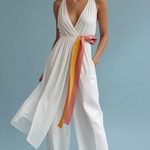
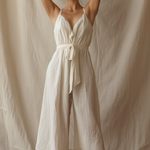
Think wrap silhouettes, satin ribbons, soft pinks, and fabric that moves when you do.
When I first started building this into my closet, I made the mistake of going too literal.
I bought an actual leotard and wore it as a top, and I felt like I was in a recital, not on my way to brunch.
The trick I learned is balance.
You take one or two balletcore elements and let the rest of your outfit stay grounded in your normal life.
A ribbon-tied top with straight-leg jeans.
A tulle skirt with a plain white tee.
That contrast is everything.
It’s what makes the look feel like fashion instead of a costume.
I also think balletcore works because it taps into something emotional, not just visual.
There’s a softness to it that feels like permission.
Permission to be delicate, to be a little romantic, to not have to look tough all the time.
If you’re someone who’s been living in oversized hoodies and tough denim, this might feel like a small rebellion in the opposite direction.
And honestly, it’s kind of a relief.
I didn’t realize how much I needed something gentle in my wardrobe until I had it.
So that’s the mindset before we even talk pieces.
Soft, intentional, and a little bit romantic, without tipping into dress-up territory.
The Wrap Cardigan – My Ballet Core Foundation

If I had to save one balletcore piece from a closet fire, it’s my wrap cardigan.
I found mine in a soft blush knit, and it changed how I get dressed on lazy mornings.
You tie it at the waist, and instantly your whole outfit has shape.
I wear mine over a simple cami and jeans more than I probably should admit.
It’s the kind of piece that makes people ask where you got it, even when you’re just running errands.
The reason it works so well is the silhouette.
That wrap-and-tie detail mimics the shape of a ballet wrap top, which is where the whole aesthetic borrows its DNA in the first place.
My tip here is to size up slightly.
You want it a little loose through the shoulders so the tie at the waist creates that soft hourglass without feeling restrictive.
I also love layering a thin ribbon belt underneath the tie for extra definition, though that’s totally optional.
For color, I always recommend starting with a neutral.
Blush, cream, or a soft gray will go with almost everything else in your closet already.
Once you’re comfortable, you can branch into a dustier rose or even a pale lavender for something a little more expressive.
I made the jump to lavender this past fall and it’s become one of my most complimented pieces.
If your budget only allows for one balletcore item this season, genuinely, start here.
It’s the piece that does the most emotional and visual work with the least effort.
Ribbon Details – Wrists, Waist, Hair

Ribbon is where balletcore gets its signature, and it’s also where people tend to overdo it.
I learned that lesson the hard way at a dinner with three ribbon elements going at once.
Ribbon in my hair, a ribbon choker, and ribbon ties on my shoes.
It was a lot, and not in a good way.
My rule now is one ribbon moment per outfit, maybe two if they’re small.
A satin ribbon tied around a low ponytail is my go-to for a soft, undone kind of elegance.
It takes ten seconds and somehow makes an entire outfit feel finished.
For your wrists, a thin ribbon tied in a bow instead of a bracelet is such a sweet, unexpected detail.
I like to match it loosely to my shoes rather than my top, it feels more intentional that way.
If you’re wearing ribbon ties on flats, keep the rest of your look simple.
Let the shoes be the moment.
I’ve also started tying a small ribbon around the handle of my favorite tote, and it’s such a tiny detail, but it makes me smile every time I pick it up.
Little things like that are what I love most about this style.
It’s not loud, it’s not screaming for attention, it’s just quietly, consistently pretty.
If you’re new to ribbon details, start with your hair.
It’s the lowest commitment and honestly the most forgiving place to experiment.
Once it feels natural, move on to accessories, and only add ribbon to clothing once you’ve got a feel for how much is enough.
Tulle Skirts – Styling for Real Life

Tulle scared me for years.
I associated it with recitals and prom dresses, not everyday wear.
Then I bought a knee-length tulle midi in a soft ivory, mostly on impulse, and it sat in my closet for a month before I worked up the nerve to wear it.
The day I finally styled it with a plain gray sweatshirt and sneakers, I felt like I’d cracked a code.
That contrast between something fancy and something completely casual is the whole secret.
You’re not trying to look like you’re going to a formal event.
You’re taking one romantic piece and grounding it in something lived-in.
My favorite combination is a tulle skirt with an oversized denim jacket thrown on top.
The rough texture of the denim against the softness of the tulle just works, I don’t know how else to explain it.
For length, I’d say knee-length is the easiest starting point.
Anything longer starts to feel like a bridesmaid dress if you’re not careful with the rest of the outfit.
A shorter tulle mini, on the other hand, pairs beautifully with tall boots for cooler months.
If you’re worried about the volume, layer a slip underneath so it doesn’t feel too stiff against your skin.
And if you’re petite like me, a higher-waisted tulle skirt will actually make you look taller, not shorter, which surprised me the first time I tried it.
Tuck in your top, let the volume do its thing, and trust the proportions.
It took me one nervous wear to become completely obsessed.
Leg Warmers as Outerwear Accents

I know, leg warmers sound like a stretch for anyone outside of an actual dance class.
But hear me out, because this one genuinely surprised me.
I bought a pair in a soft oatmeal knit mostly as a joke, thinking I’d never actually wear them outside my apartment.
Cut to me wearing them almost weekly once the weather turned.
Over leggings, under a skirt, bunched at the ankle with sneakers, it’s such a cozy little detail.
There’s something about the texture, the slight slouch of them, that reads effortlessly cool rather than costume.
My favorite way to wear them is with a tulle mini and combat boots.
The softness of the leg warmers against the toughness of the boots is such a satisfying contrast.
If that feels like too much for you right now, start smaller.
Try them peeking out from under wide-leg jeans instead, just a little cuff of texture at the ankle.
Nobody has to know they’re leg warmers unless you want them to.
Color-wise, I always lean toward warm neutrals, oatmeal, cream, a soft taupe.
They read as cozy rather than costume, which is exactly the balance we’re going for here.
One tip I wish someone had told me sooner, buy them slightly loose.
Tight leg warmers dig in and lose that relaxed, slouchy charm that makes them feel balletcore in the first place.
You want them to look a little undone, like you just came from something creative and beautiful.
That’s the whole point.
Ballet Flats vs. Ribbon-Tie Flats

This might be the most divisive balletcore decision you’ll make, and I’ve gone back and forth more times than I’d like to admit.
Classic ballet flats are quiet and easy, they go with everything, and they’re the safer entry point if you’re nervous.
Ribbon-tie flats are the louder cousin, the ones that wrap up your ankle and genuinely make a statement.
I own both, and I reach for them in different moods.
On days I want to feel put-together but low-key, it’s the classic flat every time.
On days I want to feel a little romantic, a little main-character, the ribbon ties come out.
My honest tip is to buy the classic flats first.
They’re more versatile, and you’ll wear them more often, which matters if you’re working with a budget.
Once you feel confident in the aesthetic, invest in a pair of ribbon-tie flats in a neutral tone.
Black or nude ribbon ties will match nearly everything, while a pastel tie is more of a statement choice.
I made the mistake of buying a bright red ribbon-tie flat first, and it clashed with almost my entire wardrobe.
Lesson learned, start neutral, add color later.
For sizing, go true to size but make sure the ribbon has enough length to wrap comfortably without cutting off circulation by hour three.
I learned that one the hard way at a wedding, and I do not recommend it.
Comfort first, always, no outfit is worth numb ankles.
Layering Tulle Over Denim

This one might be my favorite trick in the whole balletcore playbook.
Take a short tulle skirt and layer it directly over a pair of straight-leg or slightly flared jeans.
It sounds strange until you see it, and then it just clicks.
I first saw this on a friend at a coffee shop, and I genuinely stopped her to ask where the skirt was from.
The denim grounds the whole look, so the tulle doesn’t feel too precious or too formal.
You get texture, you get contrast, and you get something that photographs beautifully without trying too hard.
My tip is to keep the tulle skirt short, right around mid-thigh, so it reads as an accent rather than the main event.
Anything longer starts competing with the jeans instead of complementing them.
Pair it with a fitted top, something simple, so the eye has a clear place to land.
I usually go with a plain white tank or a soft ribbed long sleeve depending on the season.
For shoes, sneakers keep it casual, while ballet flats push it a little more polished.
I’ve worn this combination to a farmer’s market and to a casual dinner, and it worked both times without changing a single piece.
That versatility is honestly why I keep coming back to it.
If you only try one experimental balletcore look this season, I’d genuinely start here.
It’s low commitment, high impact, and it eases you into the aesthetic without fully committing to an all-tulle moment.
Soft Color Palettes That Read Balletcore

Color does so much of the storytelling in balletcore, maybe more than the actual silhouettes.
Think dusty rose, pale lavender, soft sage, cream, and the occasional deep burgundy for contrast.
I used to gravitate toward black for almost everything, and pulling myself into softer tones felt genuinely uncomfortable at first.
But once I did it, I understood the appeal immediately.
Soft colors photograph beautifully, and they make you look approachable, warm, a little romantic without saying a word.
My advice is to start with one soft color and build around it in neutrals.
A blush cardigan with cream pants and tan flats, for example, is nearly foolproof.
Once you’re comfortable, start layering two soft tones together, like lavender and sage, which sounds like it shouldn’t work and somehow really does.
I wore that combination to a friend’s baby shower and got more compliments than I’ve ever gotten from an all-black outfit.
If pastels genuinely aren’t your thing, you can still nod to balletcore through deep, moody tones like burgundy or a dusty plum.
The silhouettes and details matter more than the exact color family, so don’t feel boxed in.
One small hack I use constantly, add just one soft-toned accessory to an otherwise neutral outfit.
A blush ribbon, a lavender hair clip, a dusty rose bag.
It’s a low-effort way to nod to the aesthetic without overhauling your whole closet at once.
Bodysuits as the Secret Base Layer

Nobody talks about this enough, but bodysuits are the unsung hero of balletcore styling.
They mimic the fitted, clean lines of a leotard without actually looking like dancewear.
I keep a few in soft, skin-close colors, cream, blush, a deep black for contrast.
Tucking a bodysuit under a wrap cardigan gives you that clean, streamlined silhouette without any bunching at the waist.
It’s a small detail, but it changes how everything else drapes.
I discovered this trick almost by accident when I was frustrated with how lumpy my shirts looked under a wrap top.
Switching to a bodysuit solved it instantly, and now I genuinely can’t go back.
My favorite combination is a scoop-neck bodysuit with a tulle midi skirt on top.
It gives you that polished, fitted-on-top and soft-on-bottom balance that balletcore does so well.
For fabric, look for something with a bit of stretch and a soft, matte finish rather than anything too shiny or slippery.
You want it to feel like a second skin, not like it’s trying to be noticed on its own.
One tip that took me embarrassingly long to figure out, buy a few in nude tones specifically for layering under sheer or lighter fabrics.
It solves so many see-through fabric anxieties in one simple move.
If you invest in nothing else from this section, get one black bodysuit and one nude.
Those two alone will unlock more outfit combinations than you’d expect.
Accessorizing with Bows (Without Looking Costume-y)

Bows are the trickiest balletcore accessory to get right, and I say that from personal experience.
Too big, and you look like you’re headed to a children’s dance recital.
Too small, and it barely registers at all.
I’ve found the sweet spot is medium-sized, satin, and placed somewhere slightly unexpected.
A bow on the back of a low bun instead of the front.
A small bow clipped onto the strap of a bag instead of your hair.
These slightly off-script placements read as intentional and stylish rather than costume.
My personal favorite is a bow barrette in a matte black or deep burgundy, worn on an otherwise soft, neutral outfit.
It adds just enough edge to keep things from feeling too sweet.
If you’re drawn to bigger, more dramatic bows, save them for one focal point only.
A statement bow on your bag means no bow in your hair that day, and vice versa.
I made the mistake of double, even triple bowing an outfit once for a friend’s birthday dinner, and I genuinely looked like a gift box.
We still laugh about it.
Texture matters here too, satin ribbon bows feel elevated, while grosgrain or cotton bows lean more casual and preppy.
Choose based on the vibe you’re going for that day.
And if bows genuinely aren’t your personality, that’s okay too, this whole aesthetic works even if you skip them entirely.
Balletcore for Cooler Weather

I’ll be honest, I assumed balletcore was strictly a warm-weather aesthetic when I first started.
Tulle skirts and leg warmers felt like spring and summer pieces only.
Then I actually tried building a cold-weather version, and it might be my favorite iteration of the whole trend.
Layer a wrap cardigan over a turtleneck for extra warmth without losing the silhouette.
Swap bare legs for tights in soft neutral tones under your tulle skirt.
Add a longer wool coat in blush or cream over the whole outfit for those genuinely cold days.
The leg warmers I mentioned earlier become even more functional here, not just decorative.
I wear mine over tights on actual freezing days, and they keep me so much warmer than I expected.
For footwear, swap the delicate flats for ankle boots in a soft neutral leather.
It keeps the silhouette intact while being realistic for actual winter weather.
I learned this the hard way after wearing ballet flats in the snow exactly once.
Never again, my toes still remember that walk home.
My favorite cold-weather balletcore look right now is a cream turtleneck, a blush wrap cardigan, tights, a short tulle skirt, and knee-high boots.
It’s warm, it’s soft, and it still feels distinctly balletcore even bundled up.
Don’t let cooler months push this aesthetic out of rotation, it just needs a few smart layering adjustments.
Mixing Balletcore with Edgy Pieces

This is where balletcore stops feeling delicate and starts feeling genuinely cool, in my opinion.
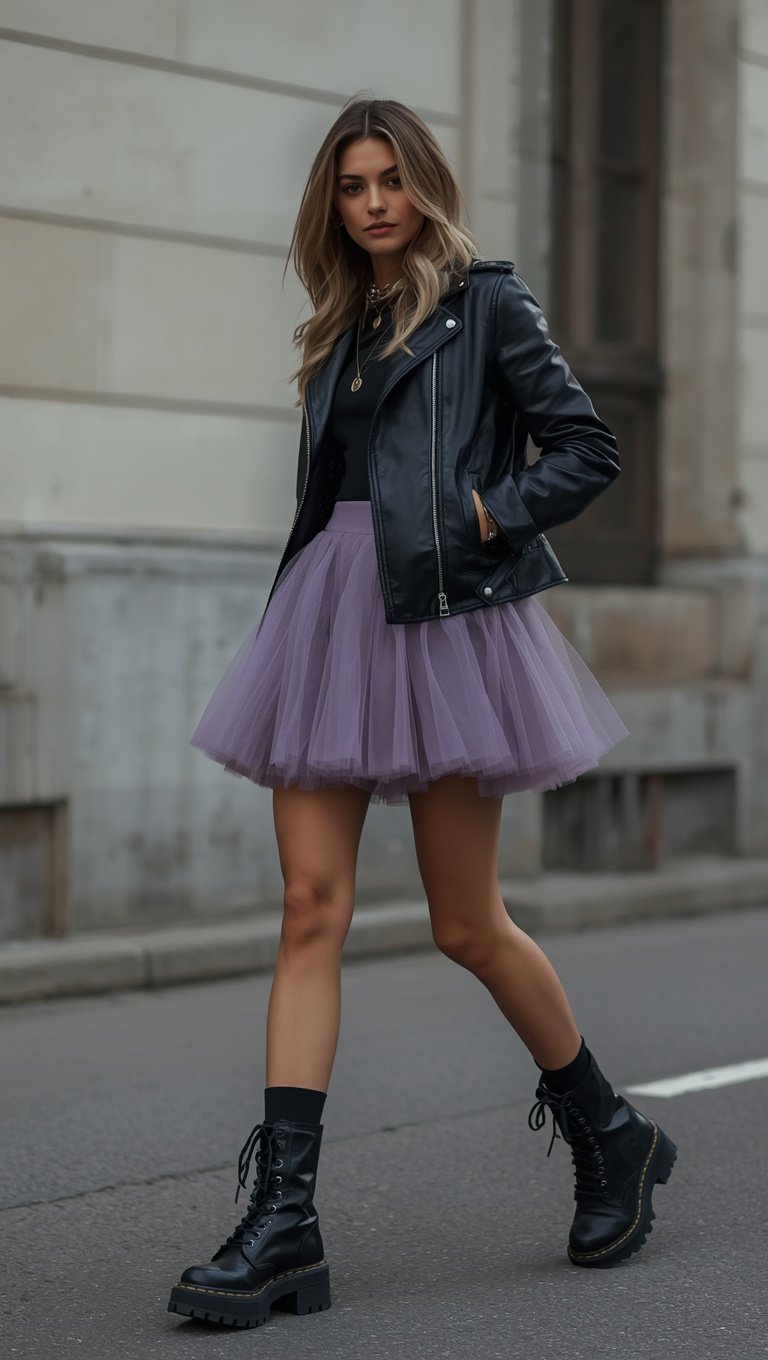
Pairing something soft, like a tulle skirt, with something tougher, like a leather jacket or combat boots, creates instant tension.
And tension in an outfit is what makes people look twice.
I wore a lavender tulle skirt with a black leather jacket and chunky boots to a casual dinner last month.
It didn’t feel like I was trying too hard in either direction, it felt like me.
My tip here is to pick one soft piece and one tough piece, and let everything else stay simple and neutral.
Too many soft pieces with too many edgy pieces starts to feel chaotic instead of intentional.
A ribbon choker with a graphic tee and jeans is another easy way to mix these two worlds.
It’s such a small detail, but it instantly softens an otherwise casual outfit.
I also love a satin ribbon tied through the laces of a pair of sneakers.
It’s unexpected, it’s a little playful, and it doesn’t commit you to a fully balletcore look if you’re not feeling it that day.
If you already have an edgy, grunge-leaning wardrobe, you honestly don’t need to buy much to try this trend.
One or two ribbon or tulle pieces mixed into what you already own will do most of the work.
That’s genuinely the beauty of balletcore, it plays well with almost every other aesthetic if you let it.
My Capsule Balletcore Wardrobe Picks

If you’re starting from scratch, I don’t think you need a huge haul to make this work.
Here’s what I’d genuinely buy first, based on everything I’ve learned building my own collection.
One wrap cardigan in a soft neutral, blush or cream is your safest bet.
One tulle midi or mini skirt, knee-length if you want more versatility.
A pair of classic ballet flats in black or nude.
One satin ribbon, long enough to tie in your hair, around your wrist, or through your bag strap.
Two bodysuits, one black and one nude, for layering under everything else.
One pair of leg warmers in a warm neutral tone for cooler months.
That’s genuinely it, seven pieces, and you can mix and layer them into more outfits than you’d think.
I built my own collection slowly, over a few months, adding one piece at a time whenever something caught my eye.
There’s no rush here, and honestly, half the fun is the slow collecting process.
If I had to choose just one starting piece for someone brand new to this aesthetic, it would be the wrap cardigan every single time.
It does the most work with the least risk, and it’ll teach you how balletcore feels on your own body before you commit to anything bigger.
From there, let your instincts guide you toward what feels most like you.