Here’s something I had to learn the hard way.
Trends move fast.
Like, faster than you think.
That “of the moment” piece you saw everywhere last spring?
It’s going to read as “oh, that was a phase” in your photos five years from now.
And engagement photos aren’t like a random Tuesday outfit post that disappears into your camera roll.
Before you resize, the free ring resizing cost calculator checks whether the metal and the stones allow it, and the price by metal.
These are printed.
Framed.
Shown to grandkids someday, if we’re being honest.
So when I’m helping a friend pick her engagement look, the very first thing I tell her is to separate “cute right now” from “cute forever.”
They’re not always the same thing, and that’s okay.
It just means we need a different filter for this particular outfit decision.
My rule of thumb is simple.
If I can’t picture myself loving it in a photo a decade from now, it’s probably not the one.
I know that sounds a little intense for a dress.
But trust me, future you will send a silent thank you.
I’ve seen brides regret bold statement sleeves, super low-rise trends, and logo-heavy pieces more than almost anything else.
Not because they looked bad in the moment.
Because they looked like a moment, and moments pass.
Choosing Fabrics That Actually Photograph Like They’ll Last

Okay, let’s talk fabric, because this one is so underrated.
Shiny, synthetic materials can look kind of cheap in photos, even when they’re not.
Camera flash and outdoor light both love to bounce off polyester in a way that reads a little flat.
Natural fibers, though, they just breathe differently on camera.
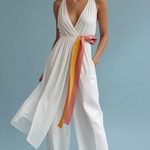
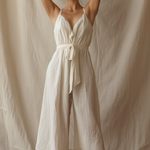
Think soft cotton, linen with a little texture, silk that catches light instead of reflecting it harshly.
When I tried on dresses for my own shoot, the ones that photographed the most “timeless” were always the ones with a little movement and a little weight to them.
Not stiff, not clingy, just soft.
There’s a reason bridal editorials lean so heavily on flowy silhouettes.
It’s not just aesthetic, it’s function.
Fabric that moves in the wind gives the photographer something dynamic to work with, and it ages beautifully in stills because it never looks stuck or synthetic.
My personal tip here is to touch the fabric before you even try it on.
If it feels a little plasticky in your hands, it’s probably going to read that way in photos too.
And one more small thing I always mention.
Wrinkle-prone linen is gorgeous, but it needs to be steamed right before the shoot, not packed in a bag for hours.
I learned that one the annoying way.
Building a Color Palette That Won’t Scream a Specific Decade

Colors carry so much emotional weight in photos, more than people realize.
And certain colors are just tied to certain eras, whether we like it or not.
Neon anything, I’m looking at you.
So instead of chasing “this season’s color,” I always tell friends to lean into tones that feel connected to the season and location they’re shooting in, not a trend report.
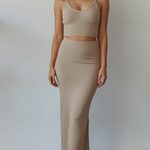
Warm neutrals, soft sage, dusty blues, a rich terracotta if you’re somewhere golden and sunlit.
These colors feel grounded in nature, and nature doesn’t really go out of style.
If I had to pick one safe, gorgeous option for almost any location, it would be a warm ivory or cream.
It photographs like a dream against literally any backdrop.
And it has this soft, romantic quality that just never feels dated.
Bold color can absolutely work too, don’t get me wrong.
I love a deep emerald or a burgundy for a fall shoot.
The key is choosing a shade that feels tied to the setting rather than tied to what’s trending on your feed this month.
One little hack I use.
I look at old film photography from decades ago and notice which color palettes still feel elegant.
It’s almost always the muted, earthy, warm tones.
Not the loud ones.
Silhouette Over Trend, Every Single Time

If there’s one lesson I’d stamp on every engagement styling guide, it’s this one.
Fit matters more than fashion.
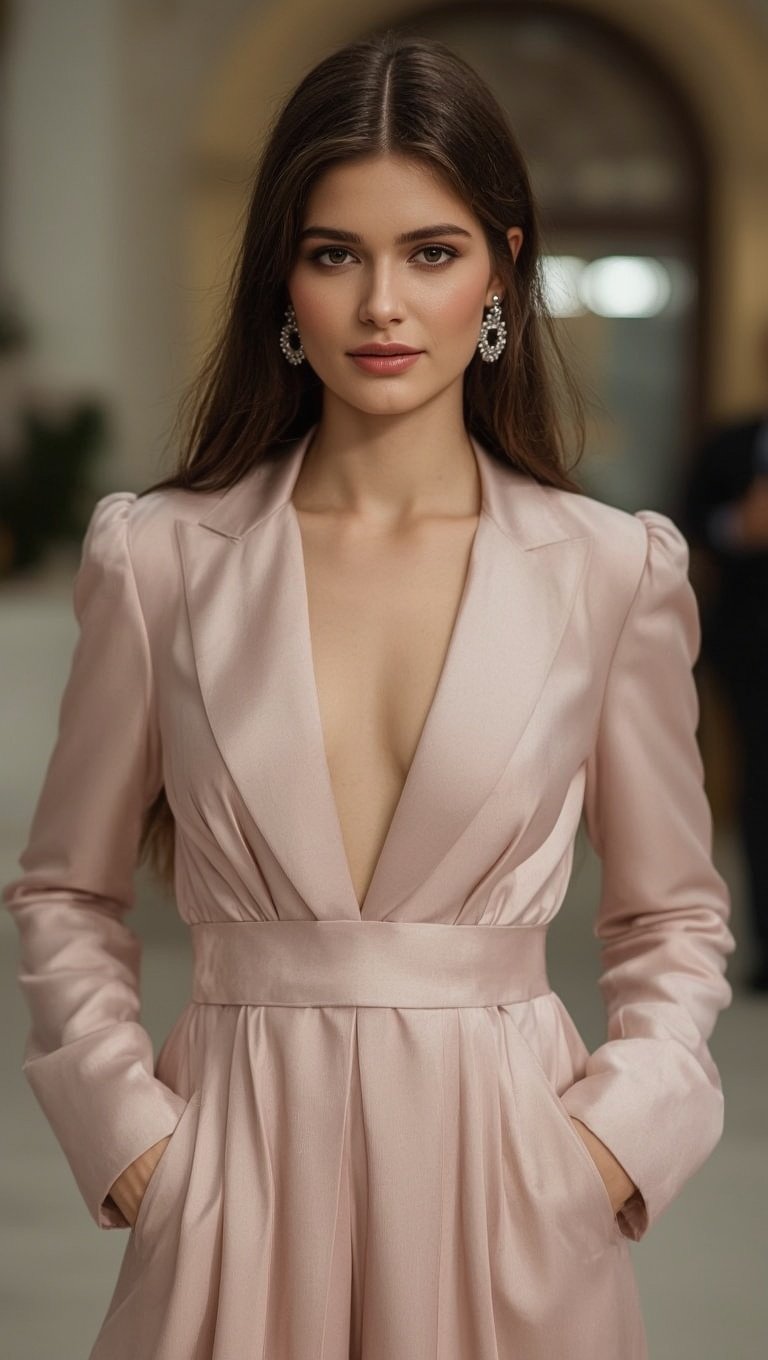
A dress that skims your body in the right places will look stunning whether it’s this year or a decade from now.
A dress that’s chasing a specific silhouette trend, like an ultra puffy sleeve or a super exaggerated cut, tends to feel costume-y once that trend fades.
When I tried on dresses for my own engagement shoot, I actually skipped the “statement” pieces entirely.
I went with something classic and just focused on making sure it fit like it was made for me.
And honestly, that ended up being the whole secret.
Tailoring makes a bigger difference than the actual style of the garment.
A five dollar dress that’s tailored well will photograph better than an expensive one that’s bagging in the waist.
So if there’s any budget to allocate here, I’d put it toward alterations before I’d put it toward the “trendiest” piece in the store.
My favorite silhouettes for photos that age well are simple ones.
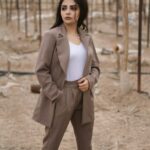
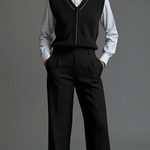
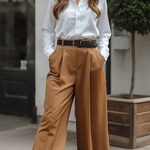
A-line skirts, straight leg trousers, a soft wrap top.
Nothing that requires an explanation later.
Skipping Logos, Slogans, and Anything Too Literal

This one seems obvious, but I promise it trips people up more than you’d think.
Visible logos are basically a timestamp.
They tell you exactly what year and what brand moment that photo happened in.
And slogans or graphic text are even worse for aging gracefully, because they’re tied to a very specific cultural reference that fades fast.
I always tell friends to save the statement pieces for date night, not for the photos that are going in a frame.
The engagement shoot should feel like a slightly elevated, timeless version of you, not a walking advertisement.
Same goes for super literal accessories, like a shirt that says “she said yes” or anything with the wedding date printed on it.
Cute for Instagram in the moment, kind of embarrassing in a living room photo years later.
If you want personality in the outfit, and you absolutely should, I’d lean into texture, color, and small personal details instead.
A vintage brooch that was your grandmother’s.
A subtle pattern that just feels like “you.”
Those details age so much better because they’re rooted in something personal, not something borrowed from a trend cycle.
That’s honestly my favorite kind of styling anyway.
Coordinating With Your Partner Without Looking Matchy

Okay, this is one I feel very strongly about.
Please don’t do the matchy-matchy thing where you’re both in the exact same shade head to toe.
It reads a little stiff in photos, and it dates fast too.
What actually looks timeless is coordination, not matching.
Pick a shared color family and let each of you wear a slightly different version of it.
So if you’re in a soft blush tone, maybe he’s in a warm tan or a soft grey that complements it instead of copying it.
When my now-husband and I did our shoot, I wore a warm cream dress and he wore a light grey suit with a subtle warm undertone.
Nothing matched exactly, but everything felt like it belonged together.
That’s the vibe you’re going for.
It photographs as intentional without looking like a themed couples costume.
My tip here is texture contrast too.
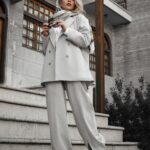
If your dress is soft and flowy, a slightly structured blazer on him creates a nice visual balance.
And if you’re doing multiple outfit changes, keep the color family consistent even if the specific pieces change.
It keeps the whole gallery feeling cohesive when you look back at it later.
Matching the Outfit to the Location Without Overthinking It

I’ve seen this go wrong in both directions, honestly.
Either the outfit completely clashes with the setting, or it matches so literally it feels a little silly.
The sweet spot is harmony, not a costume.
If you’re shooting somewhere with warm, earthy tones, like a vineyard or a golden field, lean into those same warm neutrals in your outfit.
If you’re somewhere more urban and moody, a slightly more tailored, structured look tends to hold up better.
I always tell friends to think about the light first.
Soft, golden hour light in a field calls for flowy, romantic fabrics.
Bright, crisp city light can handle a little more structure and a little more contrast.
One thing I love doing is pulling a color directly from the location itself.
Sage green if there’s a lot of greenery, dusty blue if you’re near water.
It creates this subtle visual thread between you and the place, and it just feels more intentional in the final photos.
My honest advice, though, is don’t overthink this part too much.
A classic, well-fitted neutral outfit works in almost any location, and that’s exactly why it ages so well.
Accessorizing With Restraint, and Why Less Really Is More

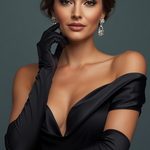
I know accessories are fun, and I love a good statement earring as much as anyone.
But for engagement photos specifically, I’d pull back more than you think you need to.
Too many trendy accessories in one photo can date it fast, almost faster than the outfit itself.
My rule is to pick one or two pieces that feel meaningful, not trendy.
A ring that was your grandmother’s.
A delicate necklace that means something to you.
Simple gold hoops that have never really gone out of style and probably never will.
If I had to choose just one accessory category to invest in, it would be something with sentimental value over something trendy.
It photographs beautifully and it means so much more when you look back at it later.
I also love layering delicate jewelry rather than going bold and chunky, because delicate pieces tend to photograph as elegant regardless of the era.
Chunky statement pieces can feel very “of the moment” in a way that fades.
One small tip.
Try your jewelry on with your actual outfit before the shoot, in the same lighting if you can, because some pieces that look great in the mirror kind of disappear in photos.
Hair and Makeup That Feels Like a Soft-Focus Version of You

This one isn’t really about outfits, but it matters just as much for aging well.
Overly trendy makeup, like a very specific eyeliner shape or an extreme contour, can date a photo almost as fast as a graphic tee.
What I always recommend instead is a soft, slightly elevated version of your everyday look.
Something that still feels unmistakably like you, just a little more polished.
Same with hair.
Trendy hairstyles come and go so quickly, but soft waves, a classic half up look, gentle texture, these all hold up beautifully over time.
When I did my own shoot, I actually asked my makeup artist to do “me, but rested and glowy,” instead of anything dramatic.
And I’m so glad I did, because looking back now, it still feels like me and not like a specific trend I was chasing.
My tip here is to bring reference photos of yourself from a few years back, not just Pinterest inspiration.
It helps keep things grounded in your actual features rather than a fleeting beauty trend.
That’s honestly the secret to photos that age well across the board.
Layering Pieces So You Get More Than One Look From the Shoot

Here’s a practical little hack I wish more people talked about.
Bring layers.
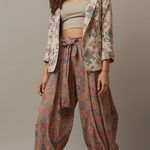
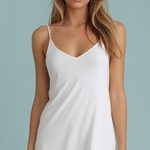
A simple slip dress with a cardigan or blazer over it instantly becomes a second outfit for later in the shoot.
This is huge if you’re doing multiple locations or a sunset into evening timeline.
I did this for my own shoot and it ended up being one of my favorite decisions.
We started with a soft blazer over my dress for the more structured, daytime shots.
And then we removed it for the golden hour shots, and it felt like a completely different, softer mood.
Same core outfit, two totally different vibes, and neither one feels dated because the base pieces were simple and timeless.
My tip is to choose a base piece that’s simple enough to layer easily, and then bring one or two layering pieces that complement the color palette without competing with it.
A cardigan, a light jacket, even a scarf if the weather calls for it.
It gives your photographer more variety to work with, and it gives you more variety in the final album too.
Classic nude or neutral heels are a safe, timeless choice if they are visible.
They photograph as elegant without pulling focus from the outfit itself.
If you’re shooting somewhere with grass or sand, I’d honestly consider skipping heels altogether.
Barefoot, or a simple flat, tends to look more natural and effortless anyway, and it ages so much better than a very trendy shoe style.
My personal favorite is bringing a backup pair of comfortable flats to switch into between poses.
Your feet will thank you, and you’ll actually enjoy the experience more, which always shows in the photos.
Personal Style Over Pinterest, and Why That Matters More Than You Think

This might be my biggest piece of advice out of everything here.
Please don’t copy someone else’s Pinterest board exactly.
I know it’s tempting, especially when you see a shoot that feels so aspirational.
But an outfit that isn’t really “you” tends to feel slightly off in photos, even if you can’t quite explain why.
And a few years later, it can feel even more disconnected from who you actually are.
When I look back at my own photos, my favorite parts aren’t the trendy details I borrowed from inspiration boards.
They’re the small personal touches, the dress that actually felt like my style, the color I’ve always gravitated toward anyway.
So use inspiration as a starting point, absolutely.
But filter everything through the question of “does this actually feel like me.”
If the answer is no, it’s probably not going to age well, no matter how popular the look is right now.
This is honestly the difference between a photo that feels timeless and one that feels borrowed.
Your personal style is already timeless to you, and that’s exactly the energy you want to capture.
Testing the Outfit Before the Actual Shoot Day

My final tip, and honestly one of the most practical ones.
Do a mini test run before the real day.
Put the full outfit on, do your hair and makeup close to how you’re planning it, and take a few photos in similar lighting if you can.
This sounds like a small thing, but it catches so much.
Wrinkles you didn’t notice, a color that washes you out in certain light, a fit issue that only shows up in photos and not in the mirror.
I did this with my dress about two weeks before my shoot, and I’m so glad I caught a small alteration issue with the waist before it was too late to fix.
It also just takes the pressure off the actual day, because you already know the outfit works.
You’re not making last minute decisions while everyone’s waiting on you.
My tip is to do this test run in the same time of day as your actual shoot if possible, so the lighting is comparable.
It’s a small extra step, but it makes such a difference in how relaxed and confident you feel once the real shoot begins.
And that ease, that comfort in your own skin, is honestly the thing that ages the best in any photo.