
I saw it on my stylist’s phone in like March and thought, that’s a lot of hair.
A lot going on.
And then I got home and spent three hours looking at wolf cut photos and honestly?
I was converted by sunrise.
There’s something about the way it hits — all that volume on top, the curtain fringe, the way the layers sort of fall apart in the best possible way — that makes it feel like you rolled out of bed looking like that on purpose.
If you’ve been hovering around this cut and not pulling the trigger, I’m here to absolutely push you over the edge.
What Even Is the Wolf Cut (In Real Terms)

Okay so a wolf cut is basically what happens if a shag haircut and a mullet had a really cool baby.
Heavy layers, lots of texture, a little chaotic.
On purpose chaotic.
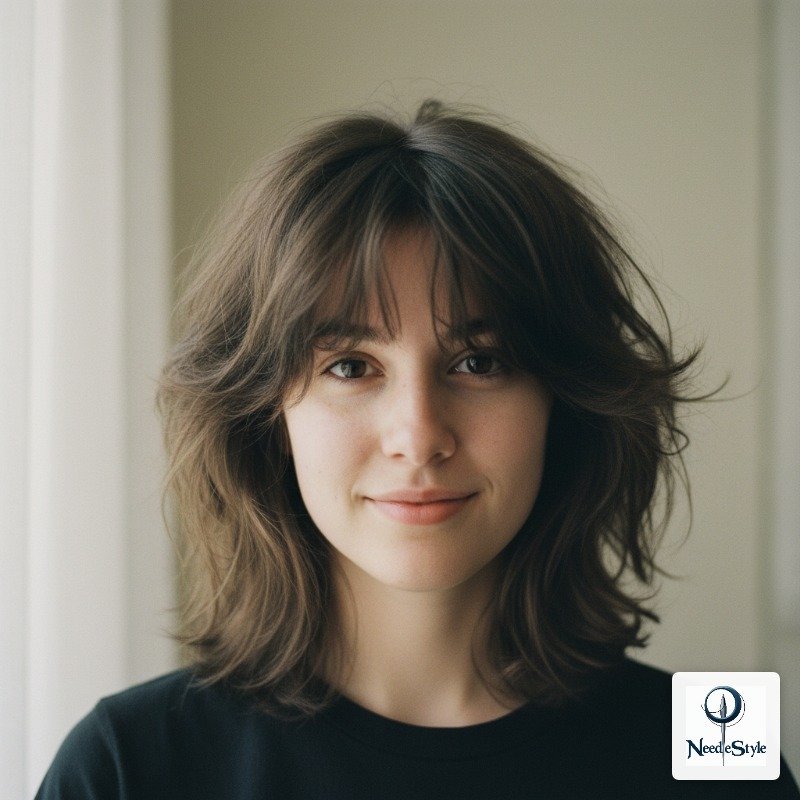
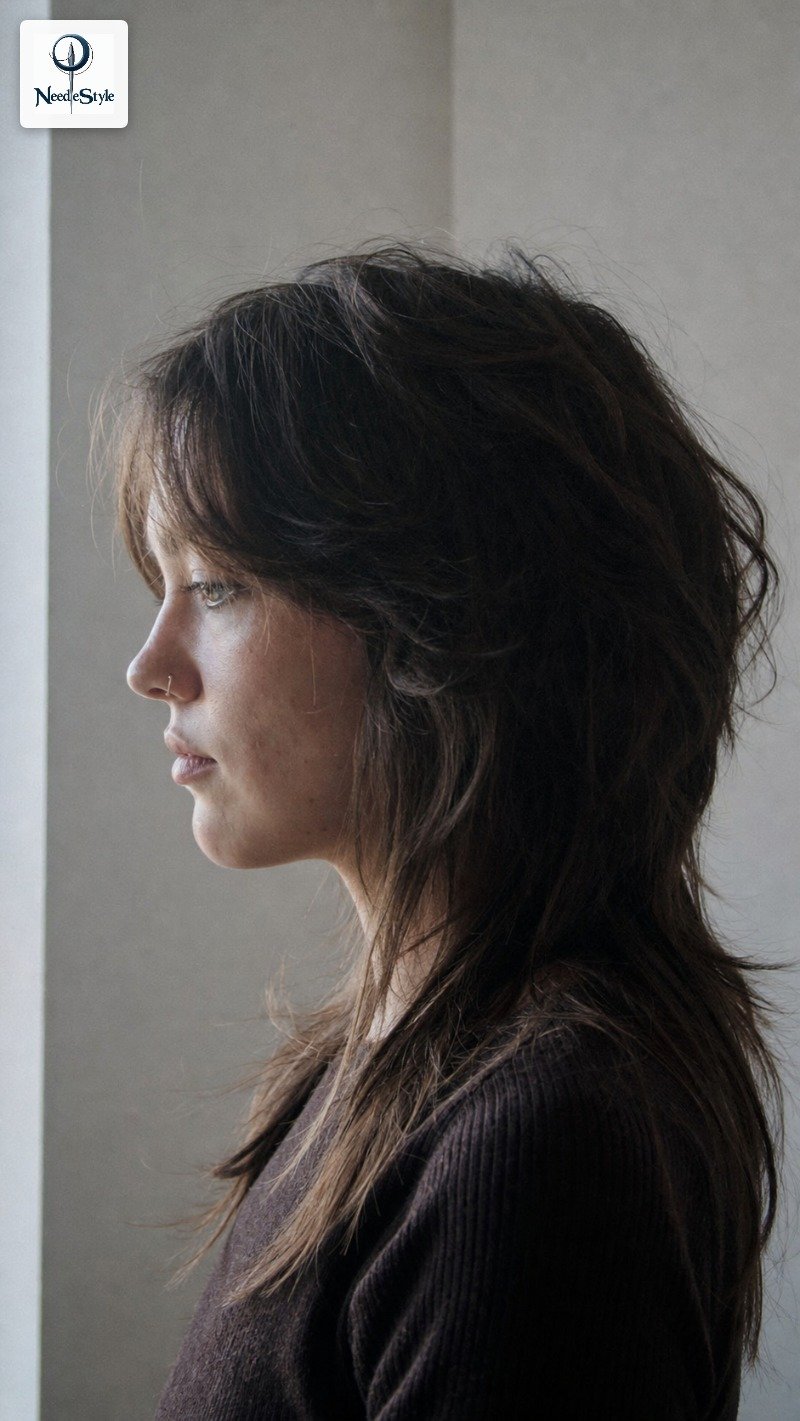
The top section tends to be shorter and voluminous, almost like a 70s rock band situation, and then it falls into longer layers underneath.
The fringe is usually curtain-style — parted in the middle and kind of feathered out.
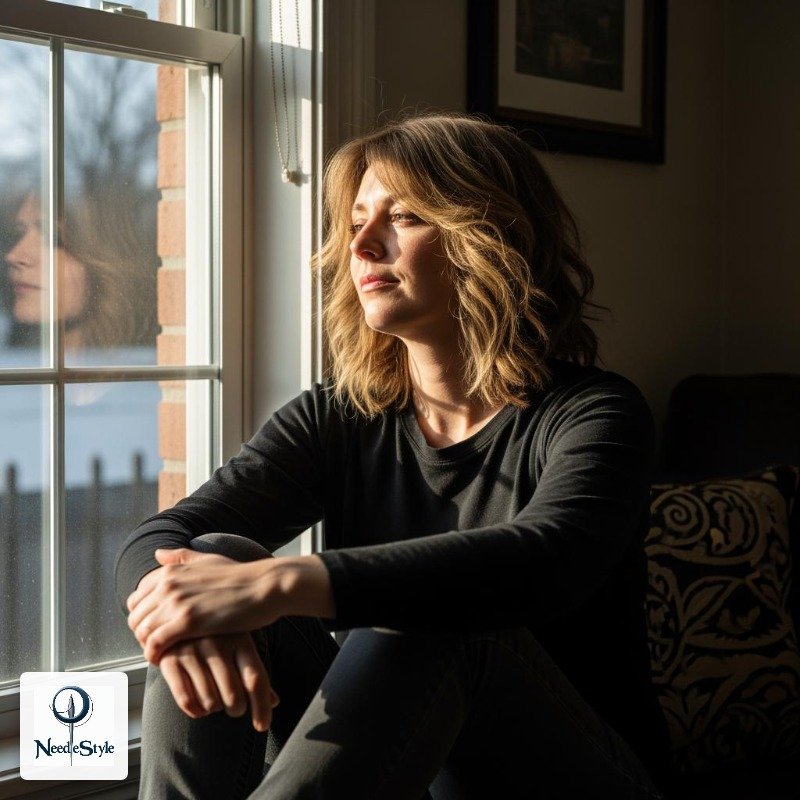
It sounds like a lot when you describe it out loud but in practice it’s one of the most flattering silhouettes I’ve ever seen on a wide range of hair types.
Thick hair gets tamed.
Wavy hair is genuinely obsessed with this cut.
It’s not a precise, geometric cut.
That’s kind of the point.
If you’re someone who wants every strand in its place, this probably isn’t your thing.
Why It Works on So Many Different Hair Types
This is the part that genuinely surprised me.
Most trendy cuts are secretly written for one specific hair type — usually straight and medium thickness — and everyone else is just trying to adapt.
The wolf cut is genuinely different.
The layers do the heavy lifting for thick hair by removing bulk without chopping length.
For fine hair, the shorter top layers create the illusion of fullness you’ve been chasing for years.
Oh this cut was basically made for you.
The layers follow your natural curl pattern in a way that looks intentional and effortless at the same time.
I’ve seen it on 2b waves and it’s stunning.
Even straight hair works because the texturizing and layering gives it movement it wouldn’t otherwise have.
You just need the right styling products to fake a little wave.
The Curtain Bang Situation
You can technically get a wolf cut without the curtain bangs.
But I feel like that’s like getting pizza without cheese.
Technically food.
Missing the point.
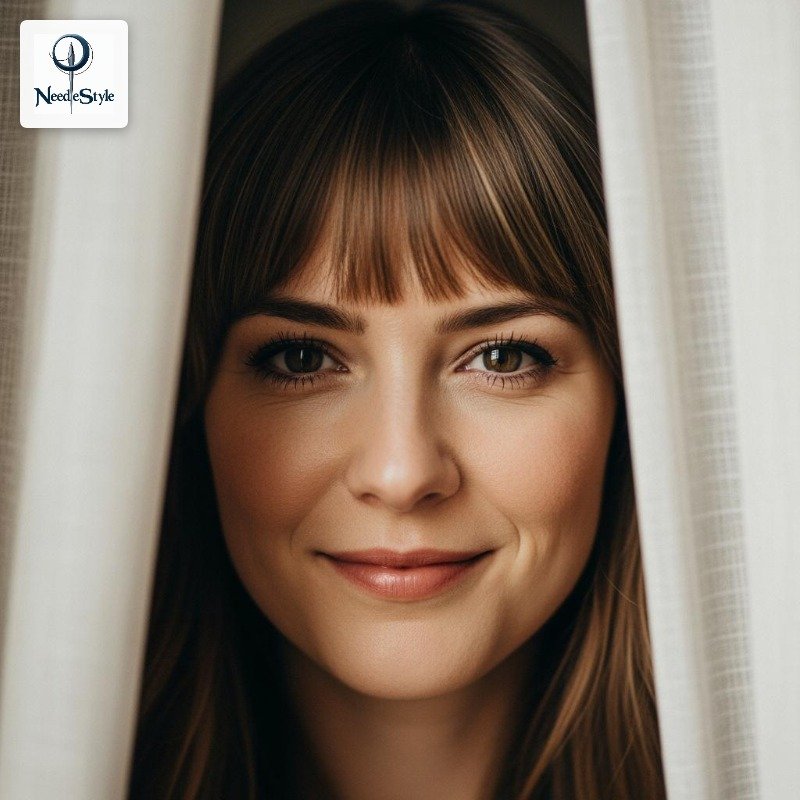
Curtain bangs frame the face so well it’s almost unfair.
They’re forehead-length in the center and then sweep out and blend into the layers on the sides.
No blunt chop.
No commitment to a baby fringe that has to be trimmed every three weeks.
The best part is they grow out gracefully.
I have a fear of haircuts that turn into a months-long grow-out nightmare (I had a pixie in my twenties, enough said) and curtain bangs just… keep working as they get longer.
If you’re bang-hesitant, tell your stylist you want them on the longer side.
You can always go shorter.
You cannot un-cut bangs.
How to Talk to Your Stylist About This
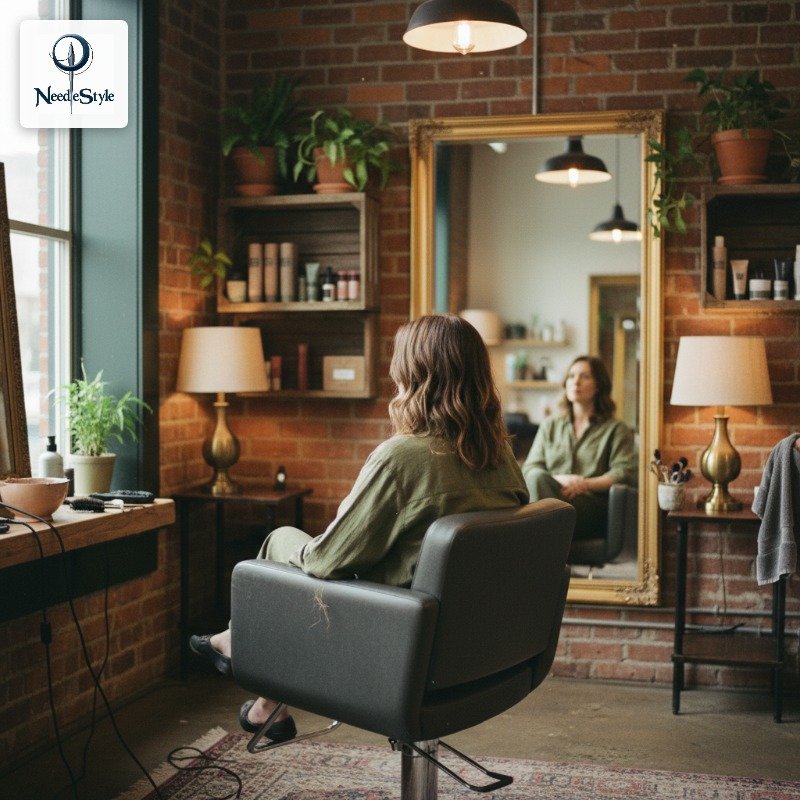
Bring photos.
Multiple photos.
I cannot stress this enough.
The word ‘wolf cut’ means slightly different things to different stylists and you do not want to find that out after.
Find photos that match your actual hair texture, not the sleek silk-press version you see on some accounts.
If your hair is wavy, bring wavy wolf cut photos.
Straight hair reference for a curly client just creates confusion.
Mention specifically: the amount of curtain fringe you want, how much length you want to keep, and whether you want it to lean more shag or more structured.
Those three things will save you a lot of awkward post-cut silence in the car.
Also — and I say this as someone who has made this exact mistake — don’t wait until you’re already in the chair to start this conversation.
Text your stylist before your appointment if you can.
My Favorite Ways to Style It for a Lazy Morning
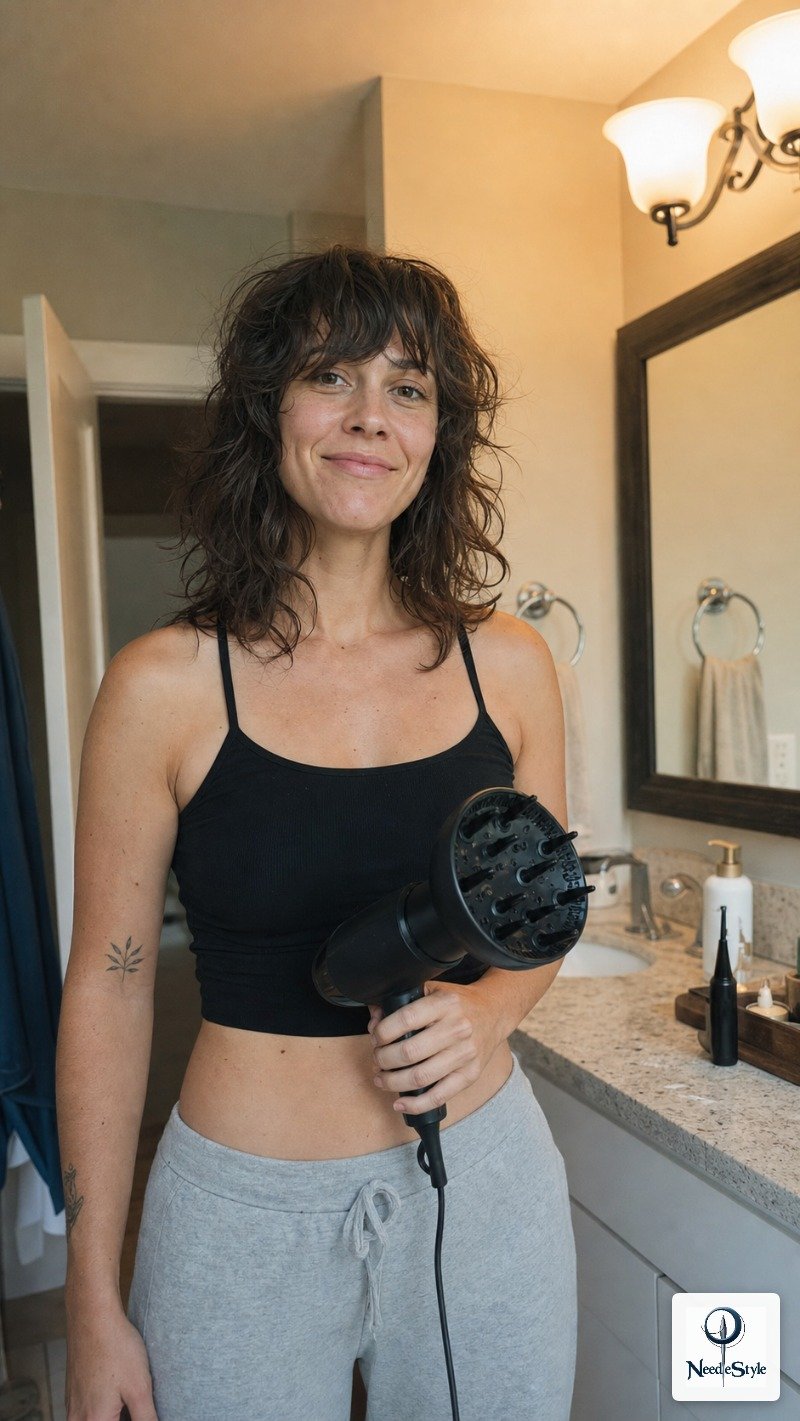
Here’s my actual morning routine with this cut: diffuse or air dry, scrunch in a little curl cream if my hair is being fussy, done.
That’s it.
The layers do the rest.
A little sea salt spray while it’s still damp gives the whole thing that lived-in texture that honestly looks better than anything I could achieve with a round brush and an extra twenty minutes.
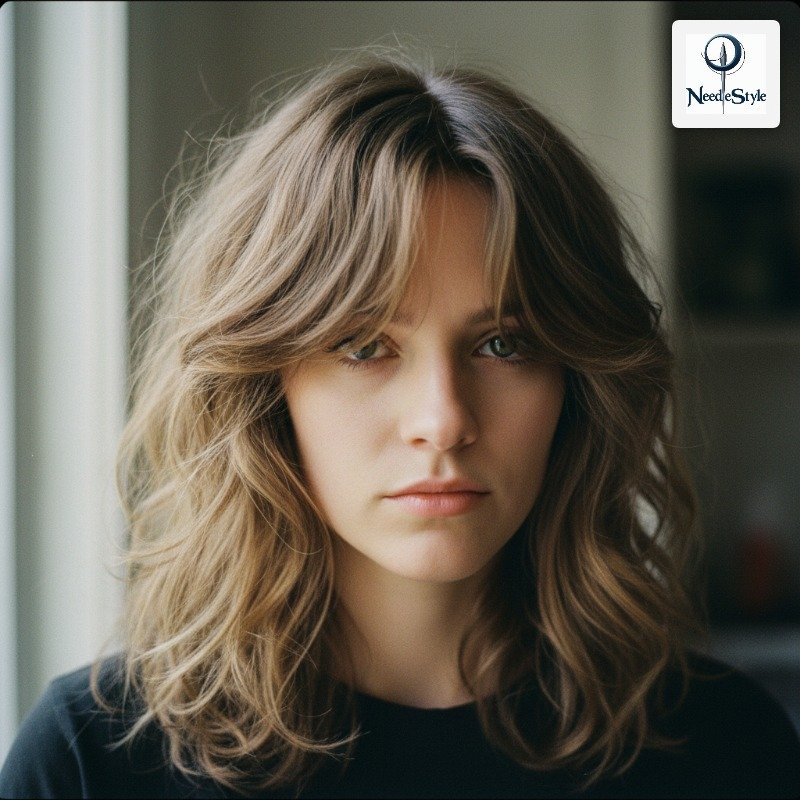
If you want more volume on top, flip your head upside down while you diffuse.
I learned this from my stylist and I’m never going back.
The crown gets so big and bouncy.
It’s a little dramatic.
I love it.
Heatless overnight curls also work beautifully with wolf cuts if you want a slightly more defined wave situation in the morning.
Braid it damp, sleep on it, wake up looking like you planned this.
Products That Actually Help (And One I Wasted Money On)
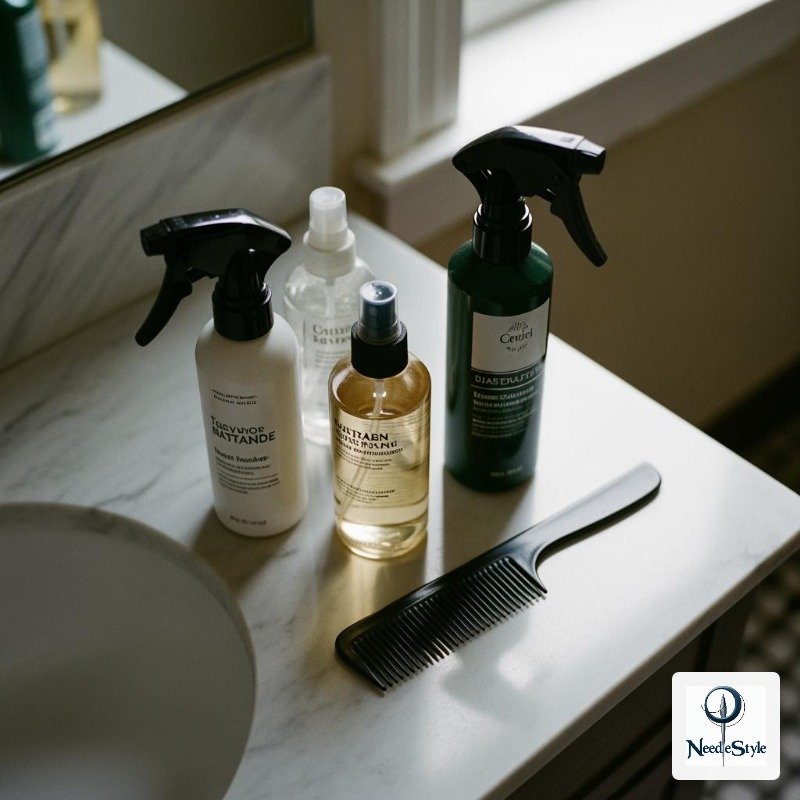
Sea salt spray is your best friend.
Genuinely.
I use the Not Your Mother’s one and it costs like seven dollars at Target and works as well as anything twice the price.

A lightweight mousse is great for adding hold without crunch if you’re diffusing.
I go back and forth on this one — some days I skip it entirely and my hair is fine, some days I need it.
The thing I wasted money on: a fancy texturizing paste that was supposed to be ‘perfect for shags and wolf cuts.’
It made my hair feel like straw.
Heavy, waxy straw.
I used it twice and it now lives at the back of my cabinet.
An actual good investment is a quality wide-tooth comb for detangling before diffusing.
Don’t brush a wave.
Please.
I’m begging.
Wolf Cuts on Short Hair Are Having a Moment
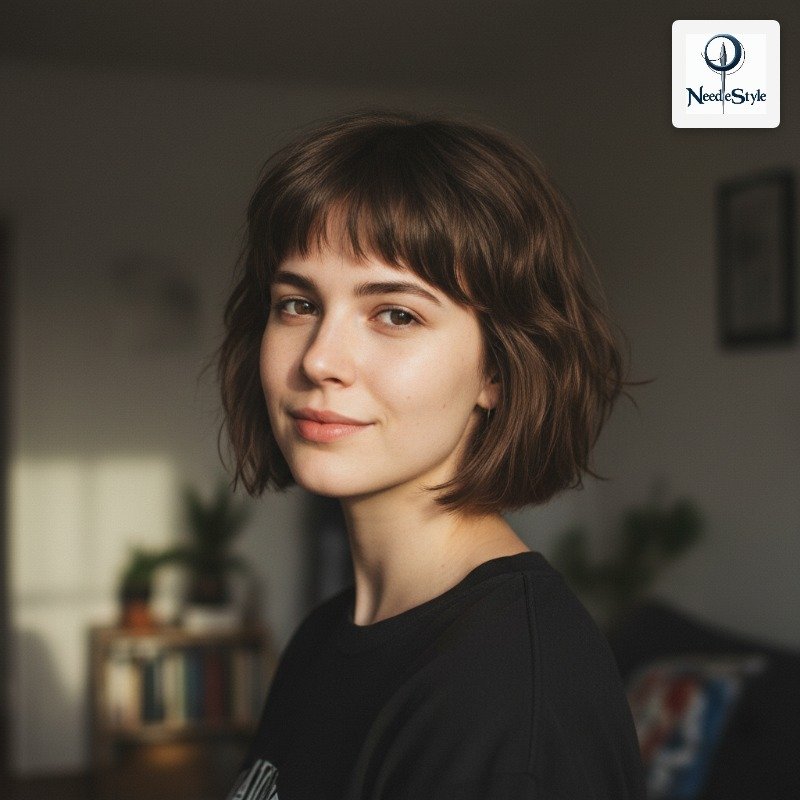
I mostly see wolf cuts on medium to long hair but the short version is genuinely its own thing and I’m obsessed with it.
Short wolf cuts sit around the chin or just above, with the same heavy layer structure and texture, but they read a little more edgy.
More ‘I listened to Fleetwood Mac at a very formative age.’
The fringe situation on a short wolf cut is everything.
It’s often a little fuller, a little more dramatic.
Some people go for a full front fringe that blends into the layers.
It’s bold.
If you’ve been wanting to go short but you’re scared of losing all your length and texture, this is a kinder way to do it than a blunt bob.
You keep the drama without losing personality.
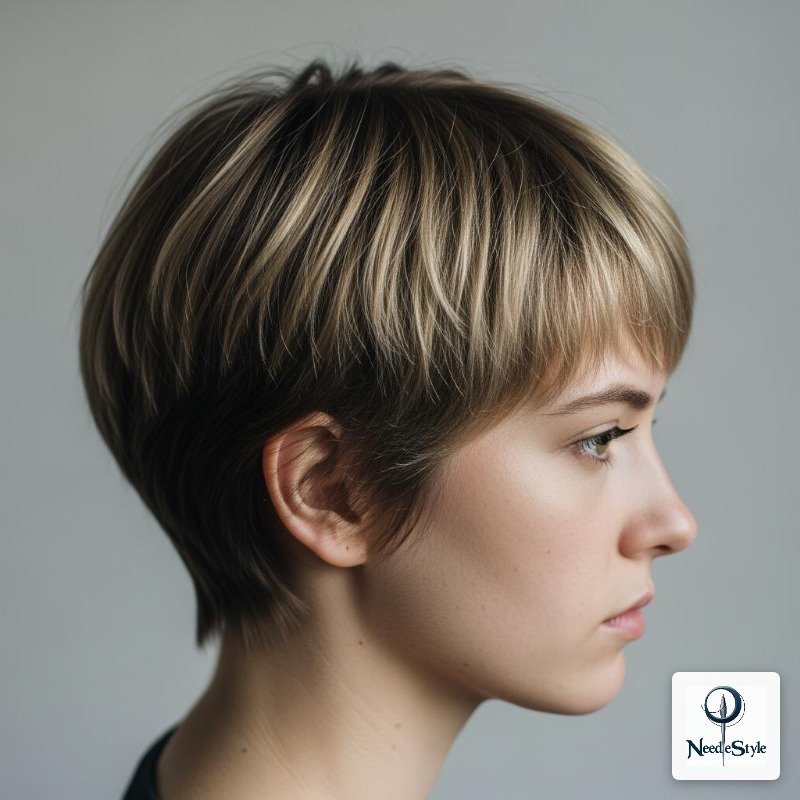
Long Hair Wolf Cuts That Will Make You Emotional
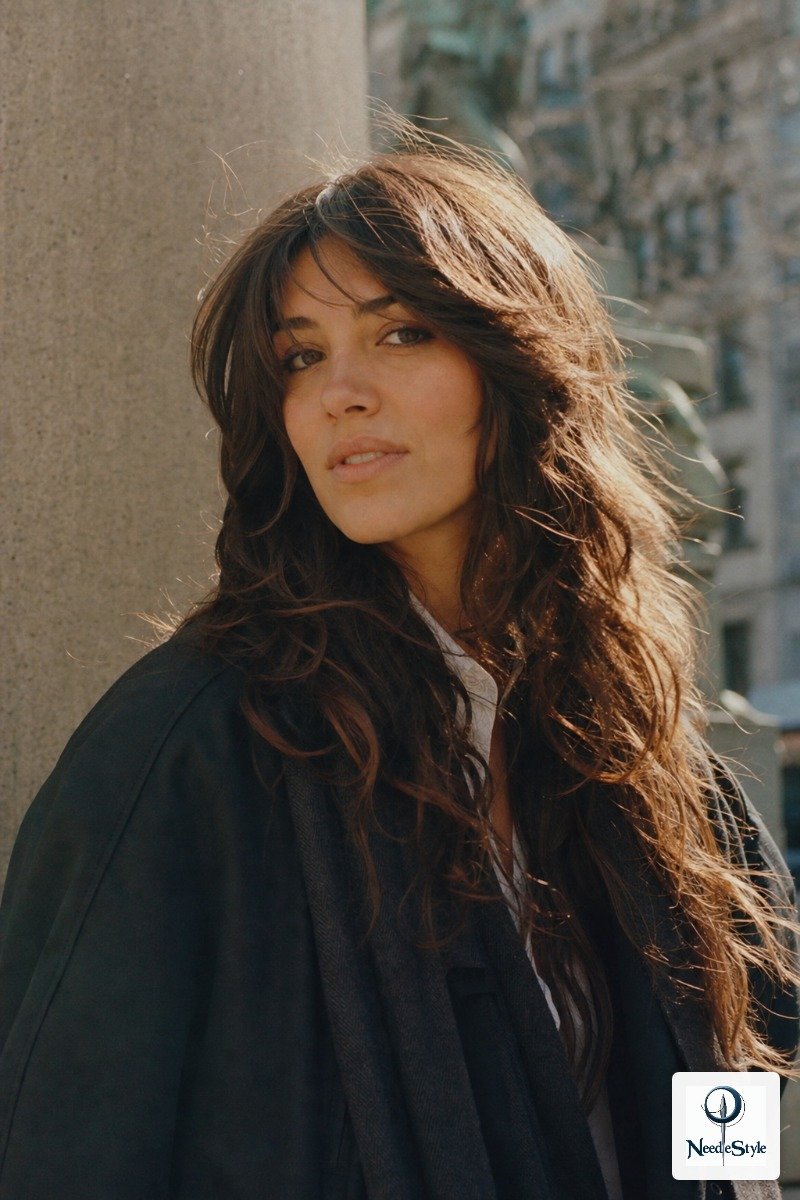
Long wolf cuts are where things get truly beautiful.
We’re talking chest or waist length, heavy layers, the ends looking almost wispy and light while the top has all this fullness.
It has a kind of ethereal, slightly witchy quality that I genuinely cannot explain but absolutely respond to.
It moves like hair in a slow-motion shampoo commercial except it’s just real life.
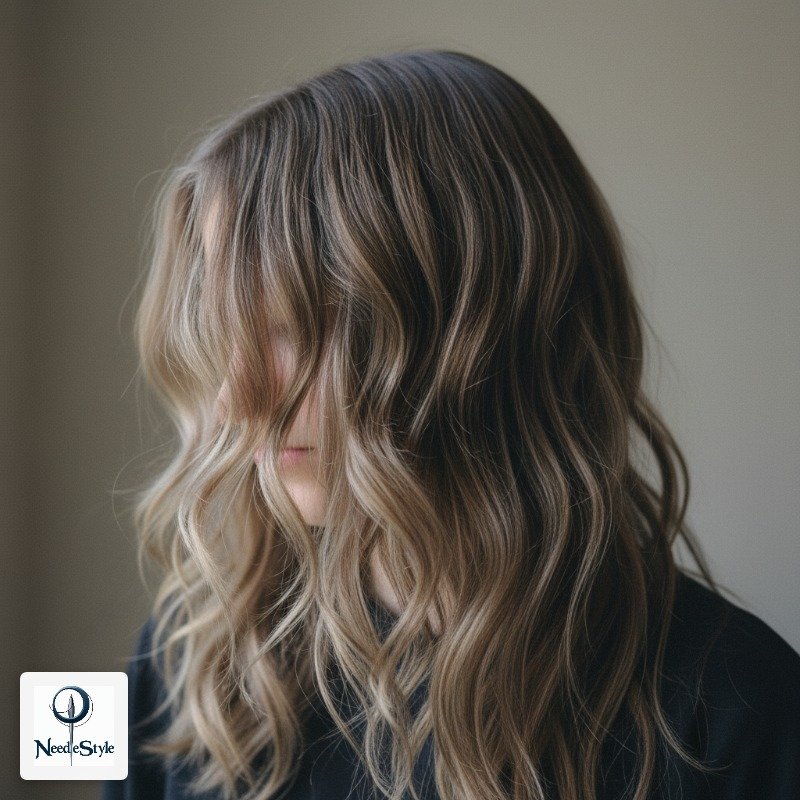
The grow-out on a long wolf cut is also really graceful.
The layers just keep getting longer and the shape evolves with you rather than suddenly looking wrong.
One thing I’d say: if you have very fine long hair, make sure your stylist doesn’t go too heavy on the layers at the ends or you’ll lose density where you need it.
Ask for point cutting instead of harsh straight lines at the ends.
How It Looks Growing Out (Because You Need to Know This)
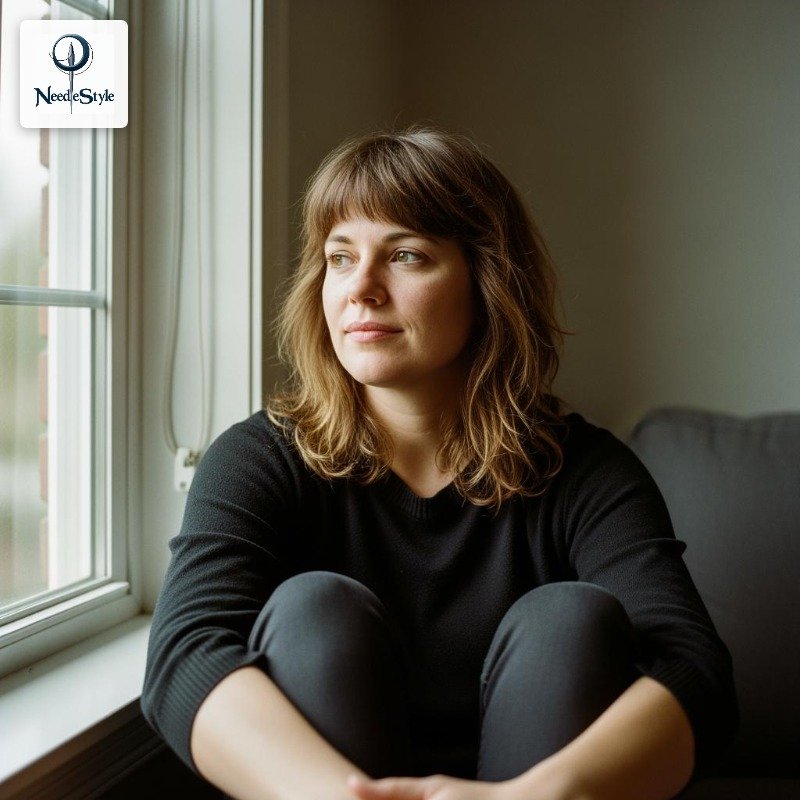
I have a complicated history with haircuts that look great for six weeks and then become a crisis.
The wolf cut is not that.
It grows out in a really forgiving way.
The layers just keep blending as they lengthen.
The curtain bangs gradually become longer face-framing layers.
It sort of naturally evolves into a more grown-out shag, which is also a great haircut.
You’ll probably want a trim every three or four months to keep the top layers from getting too heavy and losing their shape.
But you can stretch that to five months and it still looks intentional.
Compared to a pixie or a very structured bob, this is low maintenance to maintain.
That matters a lot when you’re on a real person’s schedule.

Face Shape Stuff (And Why I Mostly Ignore It)

Every haircut guide on the internet will tell you what face shapes can and can’t pull off certain styles.
I think this is mostly overcomplicated and slightly anxiety-inducing.
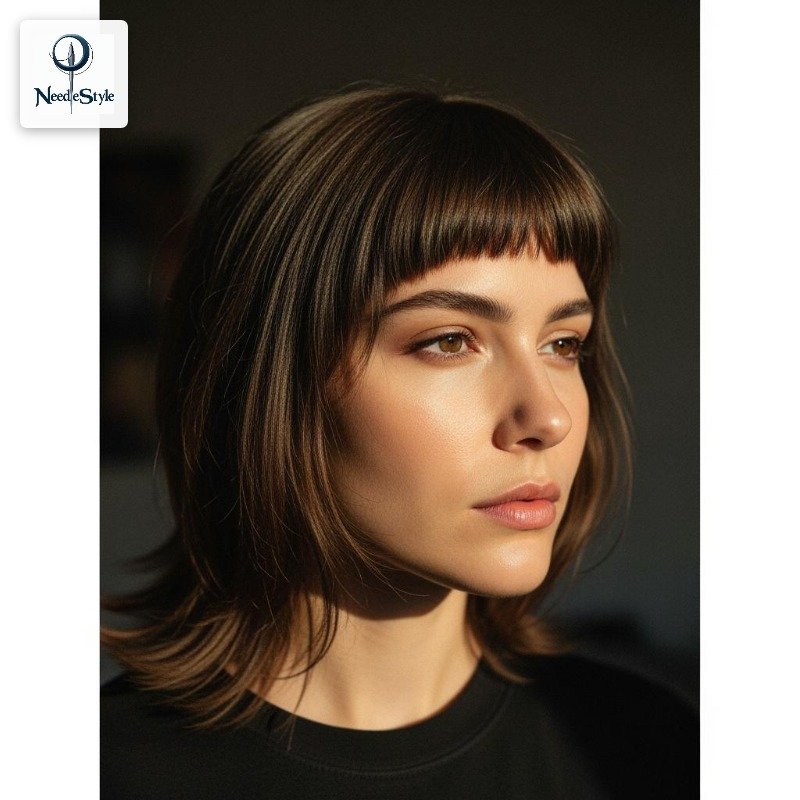
The wolf cut genuinely works on a wide range of face shapes because the layers can be adjusted.
Round face?
Stylist can keep length and go lighter on top.
Square jaw?
The fringe and soft layers balance it out.
What I think matters more than face shape geometry is your personal vibe.
Do you like a little chaos?
Do you like movement in your hair?
Are you okay with a style that requires at least some air drying or diffusing?
Those are better questions than measuring your forehead width, honestly.
Color and the Wolf Cut Are Extremely Good Together
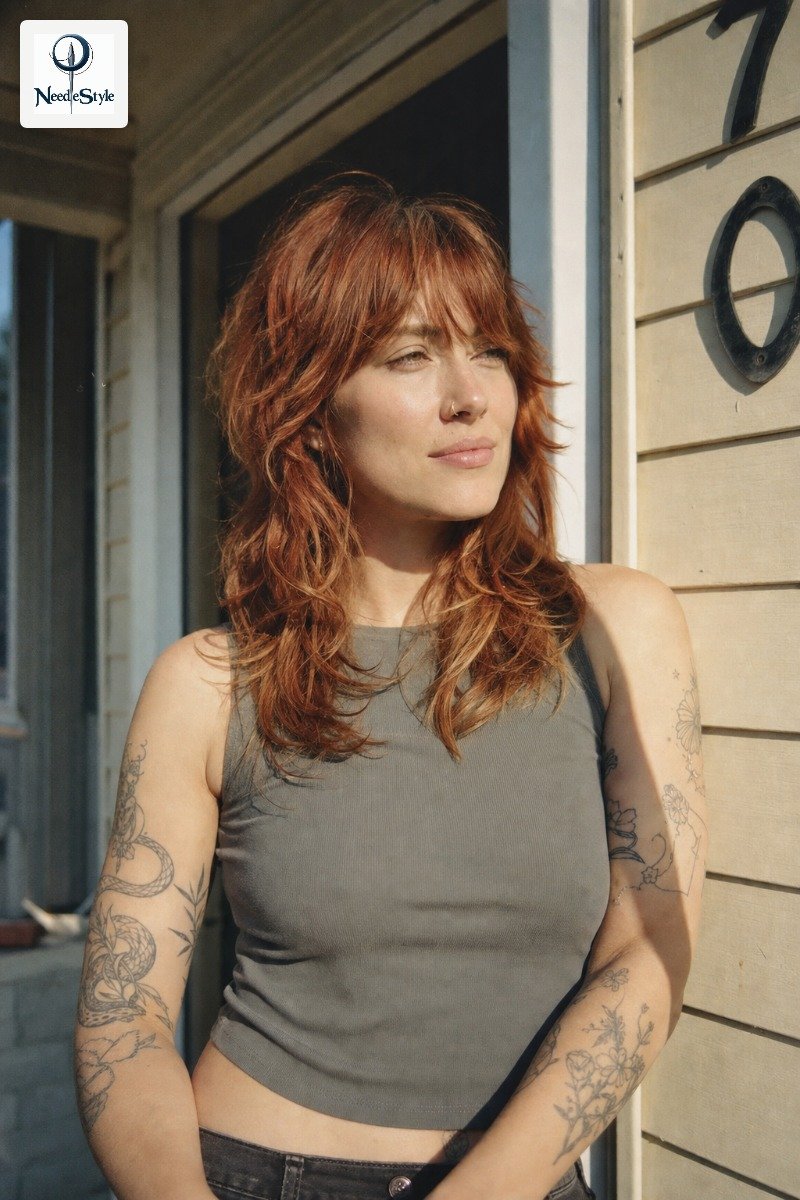
I don’t have time to color my hair regularly (or budget, honestly) but I’ve spent a lot of time looking at wolf cuts with color and there is something about the two together.
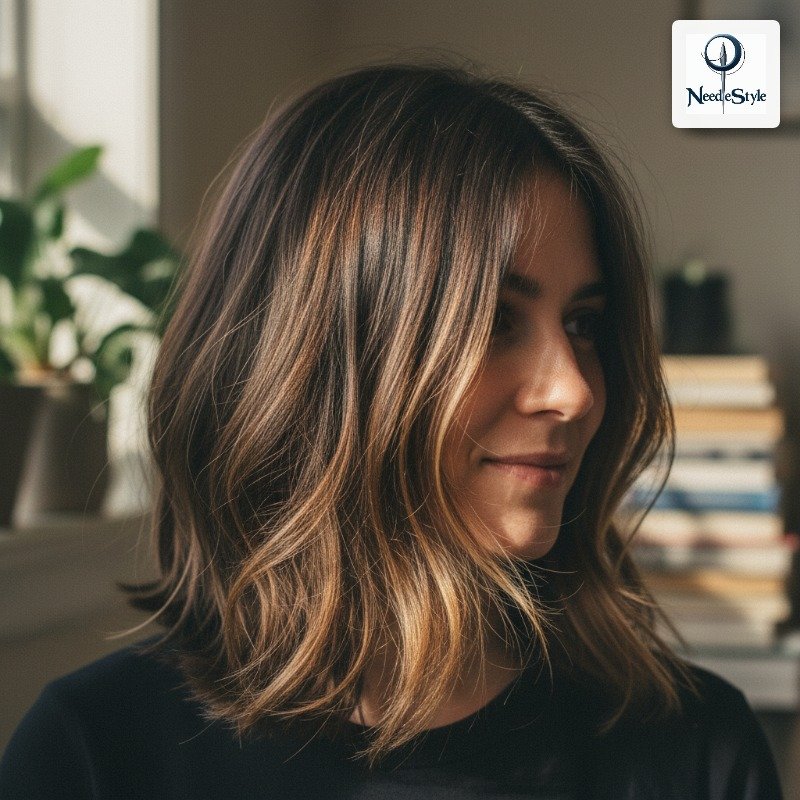
The layers create so much dimension that even a simple balayage looks more complex and interesting.
The color moves with the layers instead of just sitting there flat.
Mushroom brown, copper, golden blonde — anything with warmth looks incredible on a wolf cut because the shape itself catches light in so many places.
You’re basically getting a built-in highlight effect from the cut alone.
If you’re getting both done at the same time, do the cut first.
Your colorist needs to see where the layers land before deciding where to place the color.
Okay But Can I DIY This at Home
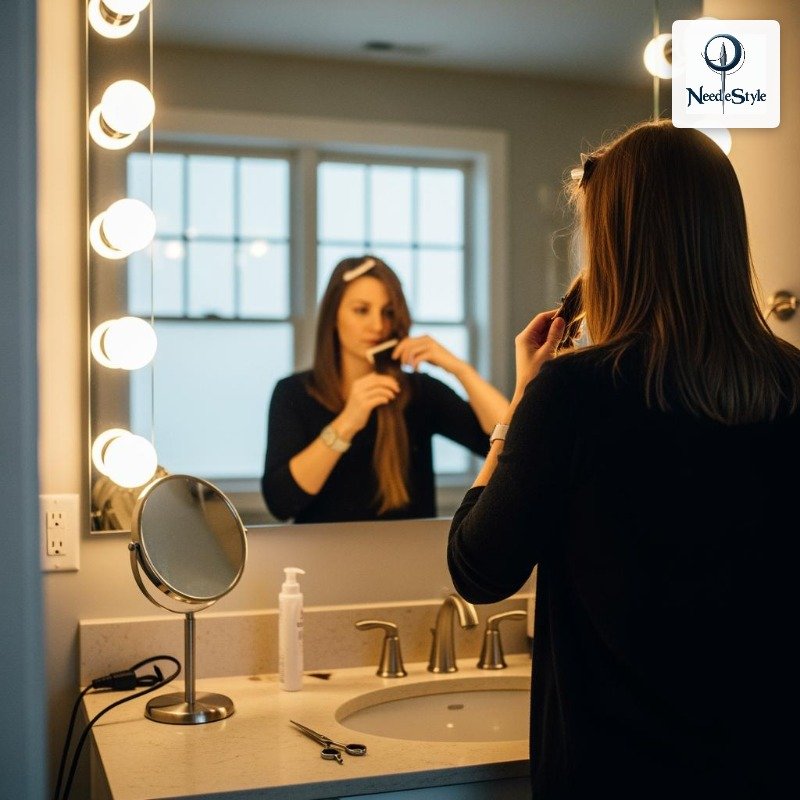
I have trimmed my own hair at home approximately forty-seven times with varying levels of success.
I’m not going to tell you not to try.
Trimming the ends yourself?
Very doable.
Point cutting the ends so they stay soft?
With practice, yes.
Actually cutting in the wolf cut shape from scratch on yourself?
That’s where I pump the brakes a little.
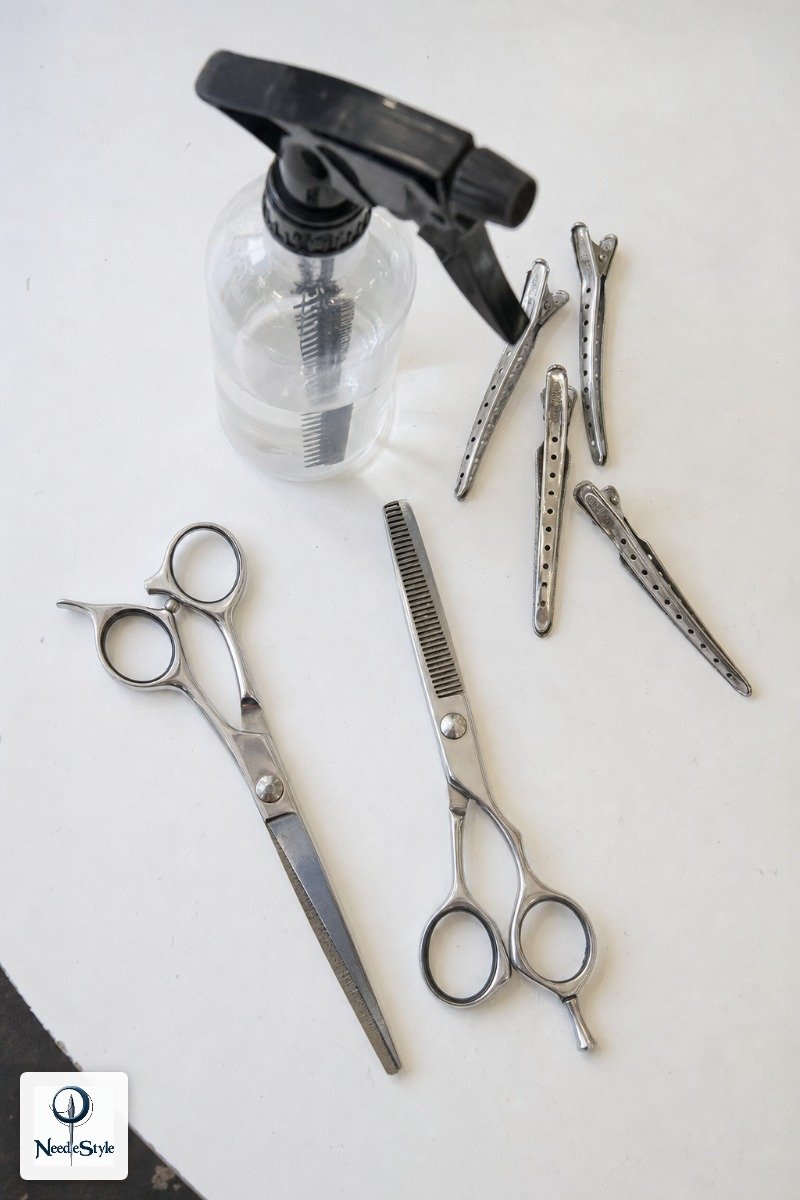
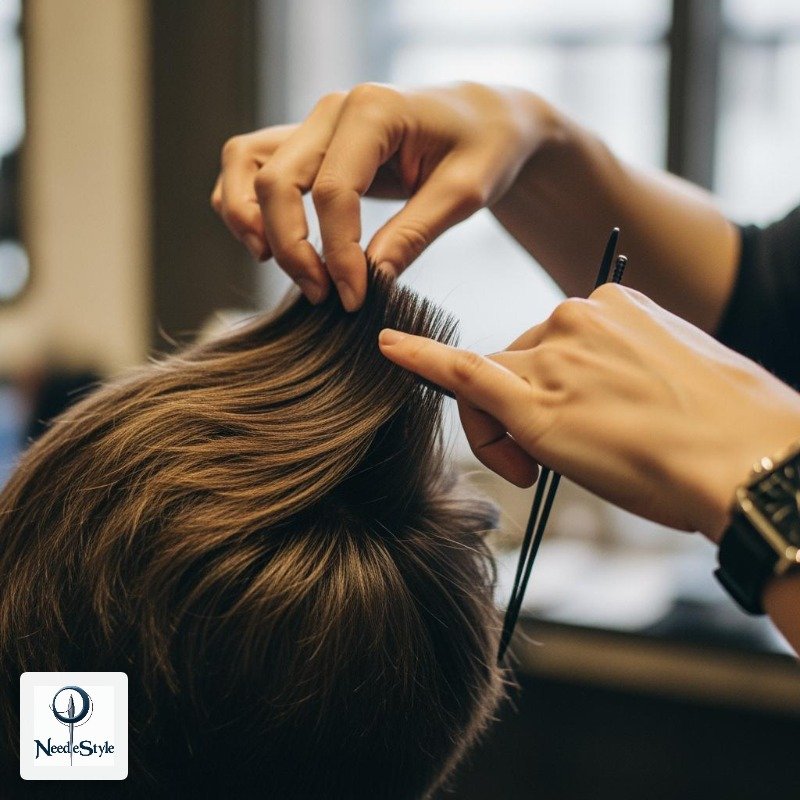
The layers on a wolf cut require knowing where to hold the hair, what angle to cut at, and how to connect the top layers to the length.
These things are learnable but they’re not a beginner project.
If you’ve been cutting your own hair for a while and you’re comfortable with layers, there are some genuinely good tutorial videos out there.
If this would be your first home cut, maybe start with a professional and then maintain it yourself.
Real Talk on Whether This Cut Is Actually Low Maintenance

It depends so much on your hair texture and honestly on how you define low maintenance.

If your hair is naturally wavy or curly, this cut practically styles itself.
Air dry, scrunch, go.
That’s genuinely low effort.
If your hair is pin-straight and you want the tousled wolf cut look, you’re going to need either a diffuser or a curling wand.
The trim schedule is forgiving, which I count as low maintenance.
You’re not running to the salon every six weeks for a refresh.
I’d call it medium maintenance overall.
Less demanding than a sleek blowout style, more involved than a wash-and-go buzz cut.
For the way it looks?
That math makes total sense to me.